Drew Yang.
Research-led design for digital products.
I connect what people need with how products work — from research and interface decisions to live prototypes.
 Drew Yang · London
Selected work.
Product design leads the selection. Each project shows a different part of my practice, from research and interface design to code and visual systems.
Product / UX
Research-led interfaces, journeys and connected product concepts.
 01
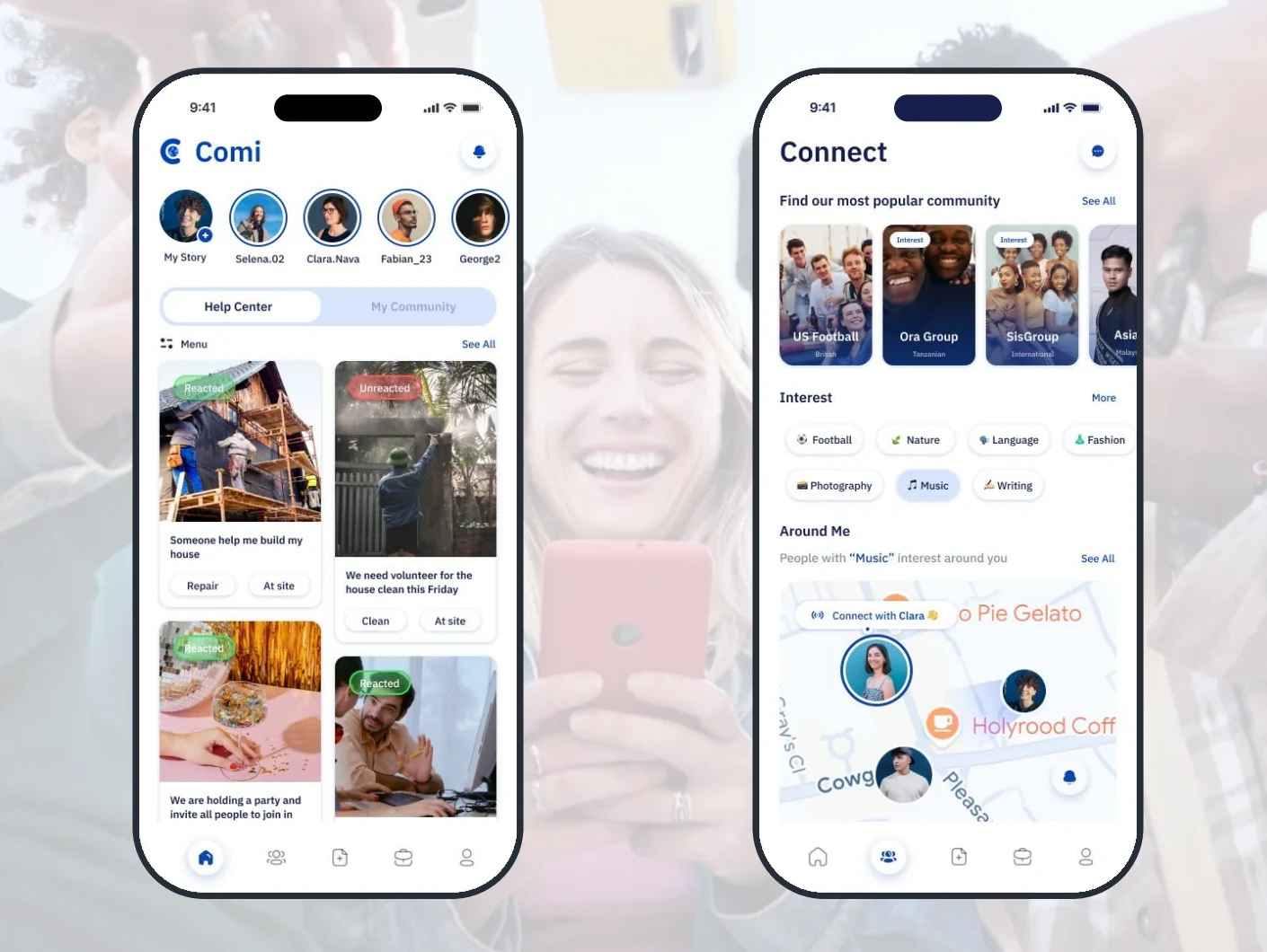
Comi
Turning online discovery into real-world connections for newcomers.
 02
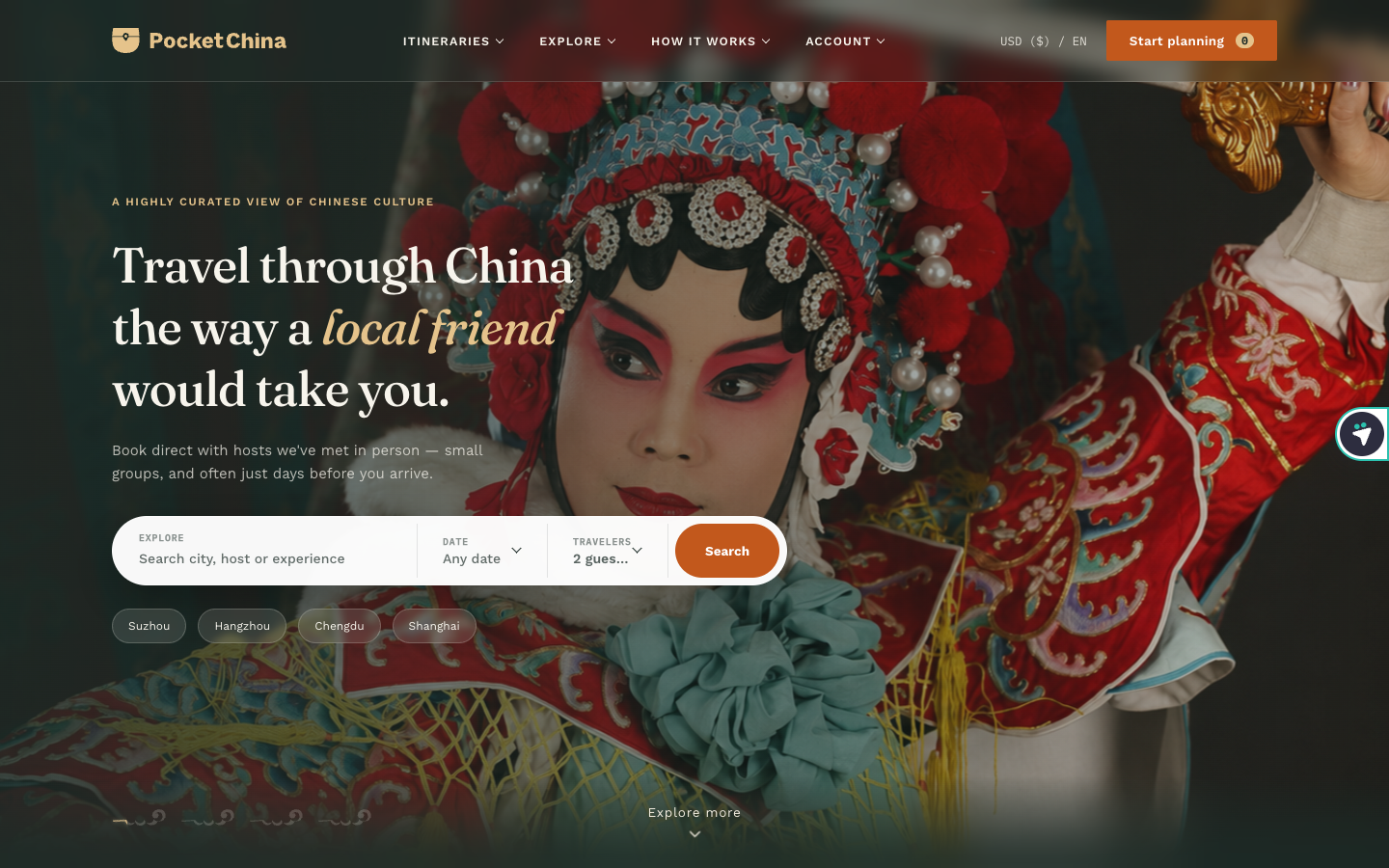
PocketChina
Making culturally focused travel easier to discover and plan across cities.
 03
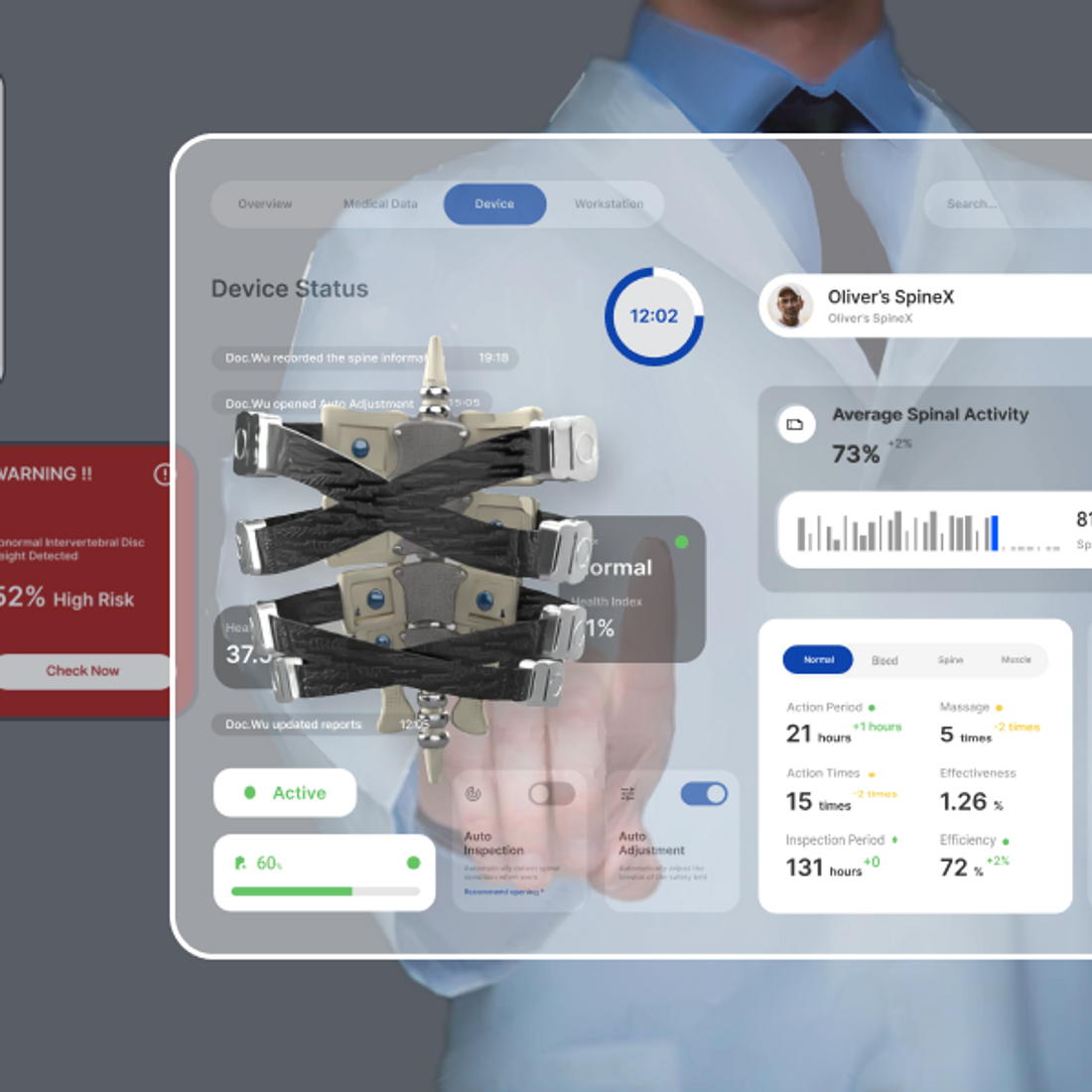
SpineX
A multi-touchpoint concept connecting a device, patient views and clinical review.
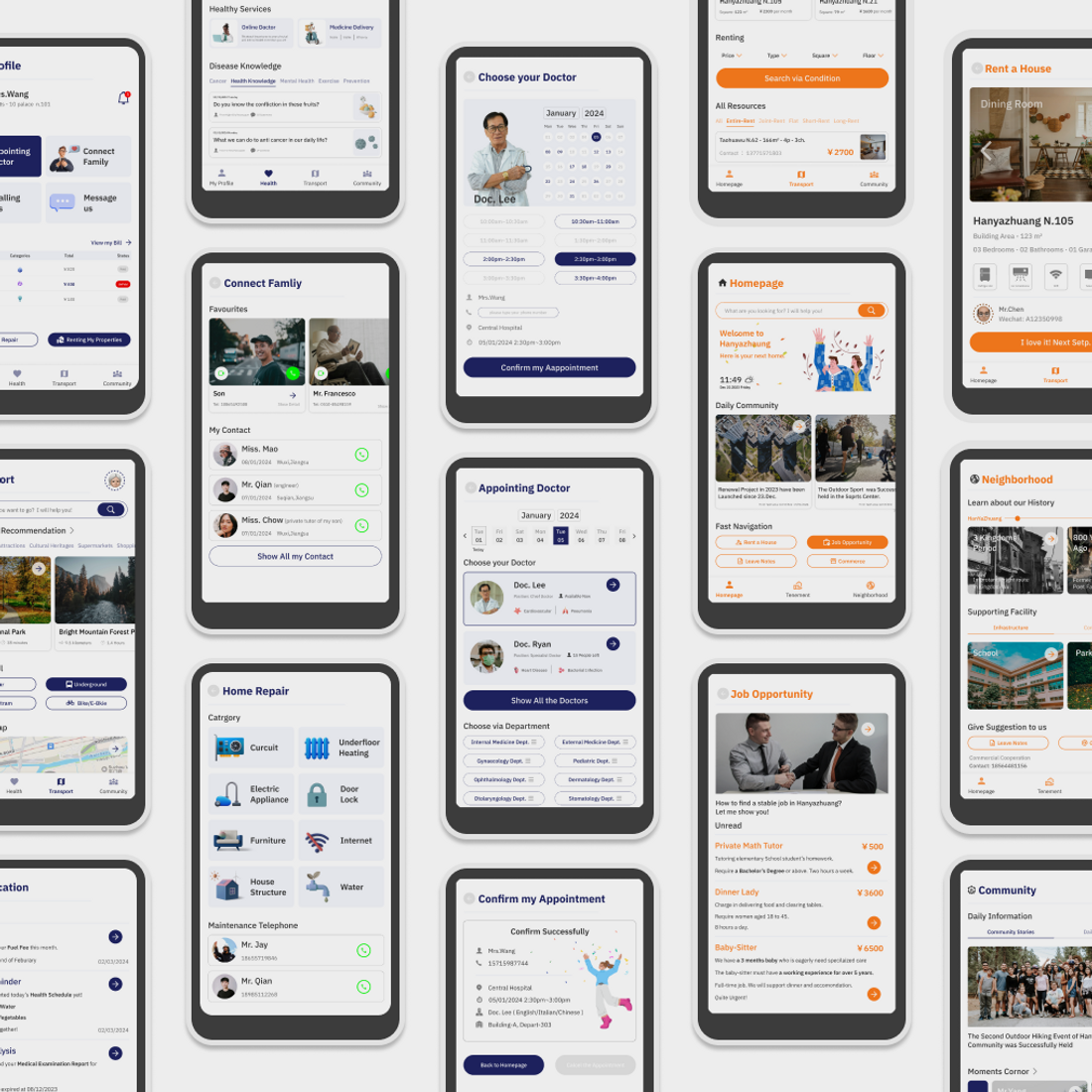
Web / service
Digital touchpoints that connect people, information and services.

Creative code
A playable exploration of rules, decisions and AI systems.

Visual / spatial
Identity and installation work beyond the screen.

From evidence
to decisions.
My process changes with the project, but the goal is consistent: make the problem, the trade-offs and the next design decision visible.
Understand the decision
Interviews, usability testing and service mapping help locate where users lose clarity or trust.
Make the trade-off visible
I connect research findings to scope, information architecture, interaction choices and the realities of implementation.
Build to learn
Prototypes make assumptions testable. Product work has also taught me to prioritise reliability, feedback and operational fit.
At Skippr, I worked on AI-agent testing and product requirements. In an earlier B2B sourcing venture, I worked across concept, delivery and transactions. These experiences inform my design practice; they are detailed in my CV.
Read experience ↗Research, design
& delivery.
I’m Drew Yang, a product and UX designer with an MSc in Design and Digital Media from the University of Edinburgh. My work spans research, interface design, front-end prototypes and product delivery.
I’m particularly interested in roles where Product Design and Product Management meet: understanding an ambiguous problem, deciding what matters, and making the result clear enough for people to use.